Email me
Forward deployed AI engineer · Dubai

I get AI working inside the enterprise.

I turn messy work into a system people trust.

The job

The job has three parts.

  1. 1Map the work

    Find how the work really runs, and where it breaks.

  2. 2Build the agent

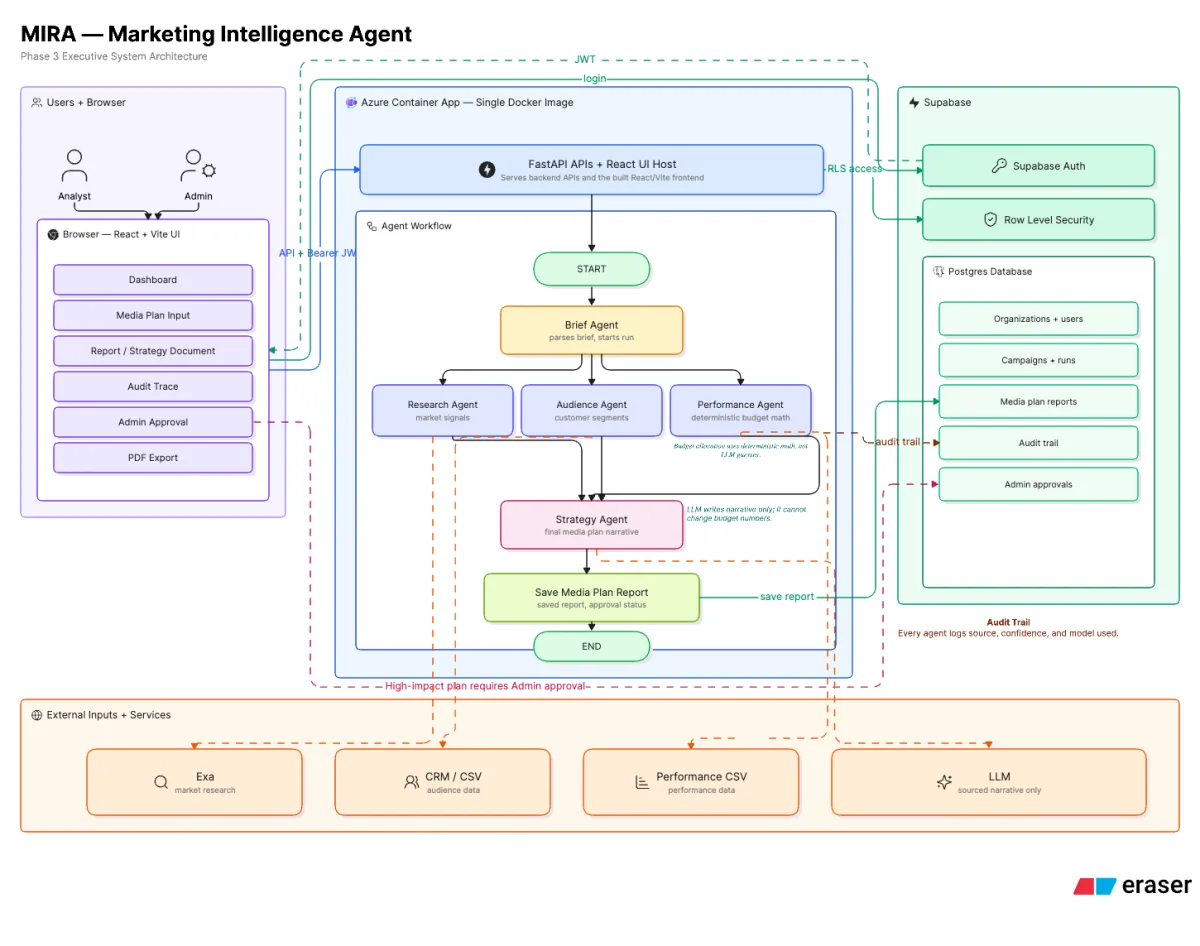
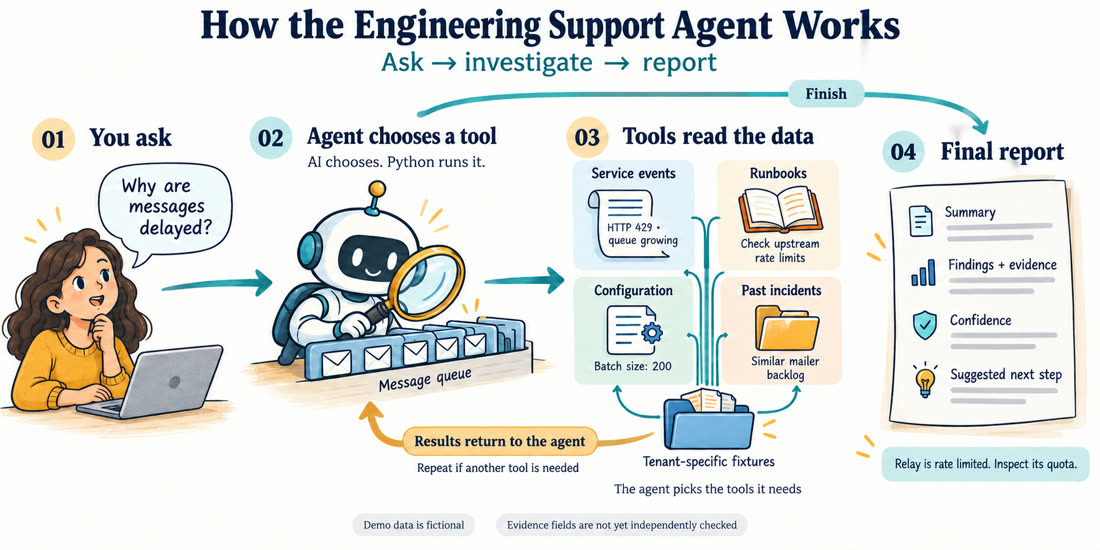
    Code handles the rules, the agent prepares the work and a person decides.

  3. 3Run it in production

    It runs on the company's existing systems, with tests and logs.

Then I keep watching it and fixing what breaks.

How I work

Five things a demo never has to deal with.

The real work isn't documented.

I interview the people doing it, then check what they say against the system logs. If you automate what's on paper, you automate the wrong process.

On paper
Request received
Approved
Entered in the system
In practice, and where it breaks
An email arrivesNo set format
Copied into a spreadsheetManual typing
Checked in an internal systemHidden know-how
Approved in chatWaiting
Entered into the ERPDouble entry
Every step gets one decision.

Four questions, in this order. Most people start with the model.

Is it only a workaround?Remove it
Can fixed rules handle it?Plain code
Clear goal, changing steps, easy to undo?An agent
Unclear, high stakes or impossible to undo?A person

Models are probabilistic. The system can't be.

So the model only suggests, code checks the work and decides if it's done, and a person makes the big calls.

CodeReceives the request
AgentGathers and drafts
Code checksDone, or not done
PersonMakes the decision
Code savesTo the main system

Not done goes back to the agent. Too many tries goes to a person.

Everything is logged: what went in, what the agent did, what came out, what it cost.

Production needs all twelve.

The model, prompt and tools get you a demo. It takes these twelve to run it safely on real work.

SafetyGuardrailsIdentity and permissionsHuman approval
QualityEvalsDeterministic checks
ReliabilitySaved progressFailure handlingSandbox and undo
IntegrationConnected toolsSwappable model
TraceabilityAudit trailMonitoring

The agent earns autonomy, then it scales.

It starts with small tasks and gets more freedom as it proves reliable. Anything that can't be undone stays with a person.

Read dataRead-only access
Draft a recordNothing goes live
Save, after approvalA person approves the draft
Bigger tasksEvals pass, the owner signs off
Track record

Shipped and measured.

50+
AI agents and apps shipped in the last two years
97%
of 200 invoices a month need no human correction, over 6 months
5 days → 4 hrs
reporting for 200 people, from 100 sources across 10 countries
C-suite
advising Gulf enterprise leadership on data, analytics and AI strategy
What the company keeps
  • Workflow audit
  • System design
  • Test results
  • Safety controls
  • Business case
  • One named owner

Bring me one workflow. I'll map how it really runs.

A 30-minute working session with your team.